
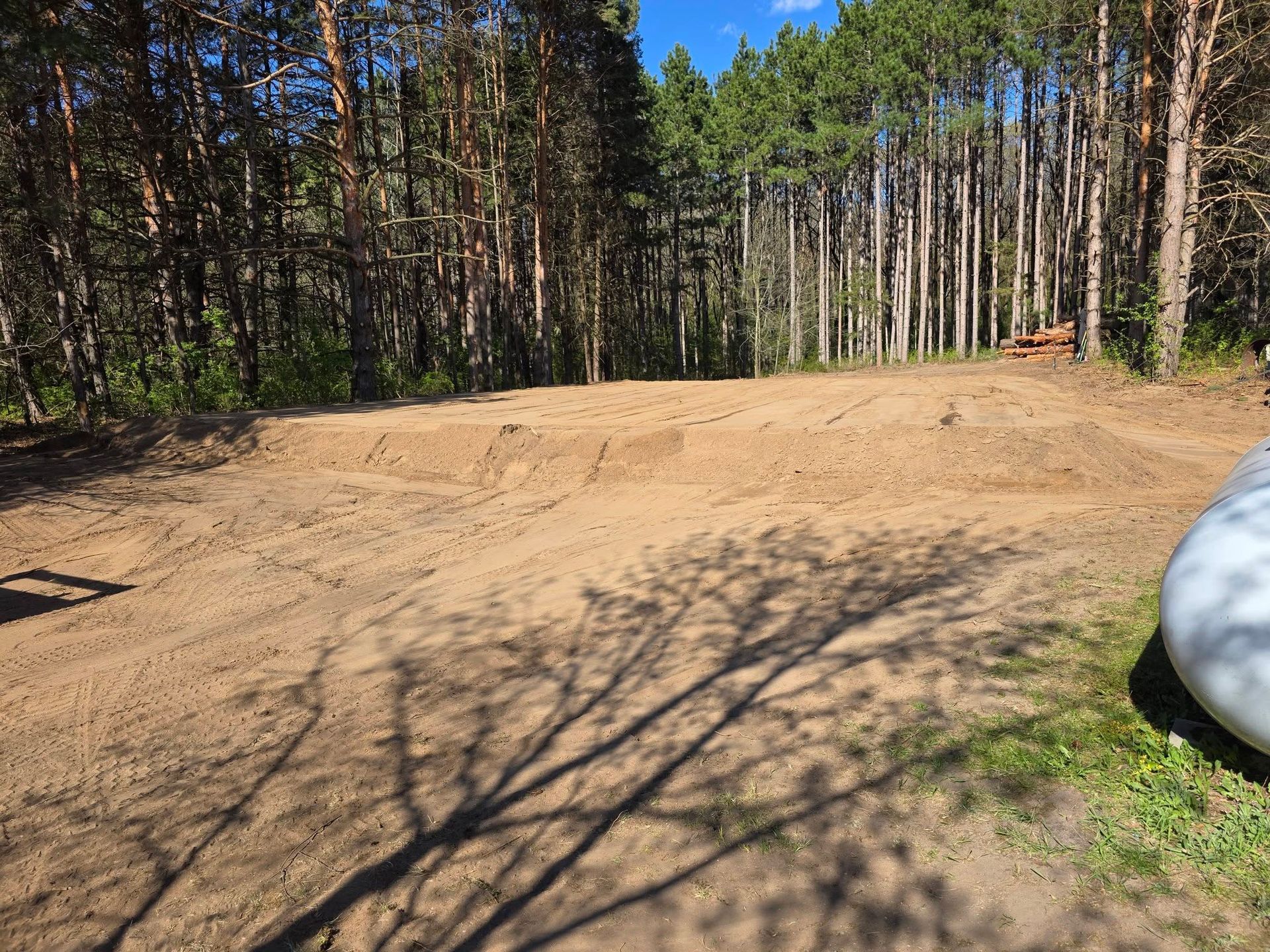
Ground Ready Before Construction Starts
Site Preparation in Pierz for homesites, outbuildings, and property improvement projects requiring cleared and graded land
Uneven terrain, standing water after rainfall, or overgrown vegetation across a building site creates complications that delay construction and increase costs once work begins. Miller's Odds and Ends LLC provides site preparation in Pierz that clears obstacles, levels ground, and establishes proper drainage before foundations are poured or structures are framed. The service removes trees, stumps, and brush, grades soil to eliminate low spots and high points, and compacts the surface to create stable ground for sheds, garages, cabins, and residential additions planned across central Minnesota properties.
Clearing involves removing vegetation and debris that interferes with construction access or site layout, while grading reshapes the land to direct water away from building footprints and prevent pooling that undermines foundations over time. Leveling creates a uniform surface that allows builders to work efficiently without constantly adjusting for slopes or uneven ground, and proper ground preparation improves accessibility for equipment, material delivery, and ongoing construction activity.
Request a site evaluation to assess clearing requirements and grading needs before your construction timeline begins.
How Site Preparation Affects Project Efficiency
Builders working on poorly prepared ground face delays as they address drainage problems, regrade areas, or clear obstacles that should have been removed before framing started, and those delays add labor hours and extend project timelines beyond original estimates. Proper site preparation eliminates those obstacles upfront by establishing stable, accessible ground with drainage patterns that protect the structure long after construction finishes. The process includes evaluating soil conditions, identifying drainage flow, and compacting disturbed areas to prevent settling that causes cracks or structural movement.
After preparation is complete, you see level ground free of stumps and vegetation, defined building areas with clear access routes, and graded slopes that channel water away from where your structure will sit. Construction crews work without interruption from ground conditions, material deliveries reach the site without getting stuck, and the finished building rests on ground that drains properly through Minnesota's freeze-thaw cycles and seasonal rainfall.
Site preparation does not include foundation work, utility installation, or landscaping features like retaining walls and decorative plantings, though it establishes the base conditions that make those later steps more straightforward. The focus remains on creating functional, stable ground that supports construction rather than aesthetic improvements.
Answers to Common Site Preparation Questions
Property owners planning construction projects across rural Minnesota lots often ask about the steps involved and how ground preparation affects what comes next.
What does clearing and grading actually involve?
Clearing removes trees, brush, and debris using excavation equipment, while grading reshapes the soil with blades and compaction tools to create level surfaces and establish drainage slopes away from building areas.
When should site preparation happen before construction?
Preparation should finish before builders arrive so that the ground is ready for layout, foundation work, and material staging without delays caused by unfinished clearing or grading.
How does soil type in Pierz affect site preparation?
Central Minnesota soil ranges from sandy loam to clay-heavy compositions, and clay soils require more attention to drainage and compaction to prevent water retention and settling after structures are built.
What factors affect the scope of site preparation work?
The extent of clearing depends on tree density and undergrowth, while grading requirements increase with slope severity, drainage problems, and the size of the planned building footprint.
Why does proper grading matter for long-term building performance?
Grading that directs water away from foundations prevents moisture infiltration, frost heaving, and soil erosion that undermine structural stability and create ongoing maintenance problems.
Miller's Odds and Ends LLC prepares residential and rural properties across Pierz for construction projects that require cleared, level, and properly drained ground. Discuss your project timeline and site conditions to coordinate preparation work with your building schedule.