
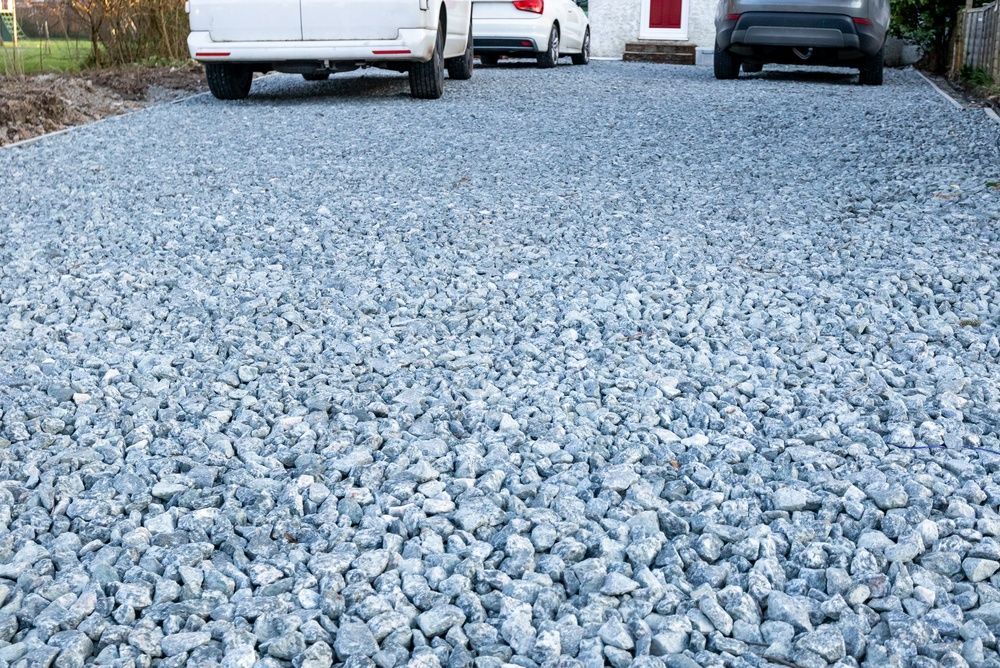
Driveways That Handle Seasonal Use Without Ruts
Gravel Driveway Installation and Repair in Pierz for new access routes, eroded surfaces, and poor drainage
Miller's Odds and Ends LLC installs new gravel driveways and restores existing surfaces for homes, farms, cabins, and rural properties where improved access and proper drainage matter. Gravel driveways develop ruts during spring thaw, lose material to erosion during heavy rain, and become muddy when the base layer isn't prepared correctly. Installation involves grading the route, preparing a stable base, and placing gravel in layers that drain well and resist displacement under vehicle traffic.
The work begins by shaping the driveway path to shed water toward edges rather than pooling in the center, which is critical in Pierz where freeze-thaw cycles and spring runoff stress unpaved surfaces. A properly installed base layer provides stability that prevents gravel from sinking into soft soil, and the top gravel layer is sized to compact firmly while still allowing water to drain through rather than standing on the surface. Repairs address specific problem areas where ruts have formed, material has washed away, or drainage patterns need correction.
Request a driveway estimate to review your property's access needs and discuss grading and material options that suit your usage and terrain.
What Gravel Placement and Drainage Accomplish
Gravel driveway work starts with evaluating the route's current condition, including where water flows during rain, where ruts or soft spots develop, and whether the existing grade directs water appropriately. For new installations, the process involves excavating soft topsoil, establishing a crowned or sloped profile that sheds water, and compacting a base layer before placing surface gravel. Repairs may involve adding material to fill ruts, regrading sections that hold water, or improving edges where gravel has migrated off the driving surface. The choice of gravel size affects how well the surface compacts and drains—angular stone locks together better than rounded gravel, and a mix of sizes fills voids to create a firmer surface.
After installation or repair, the driveway surface remains firm under vehicle weight without developing deep ruts, water drains to the sides rather than pooling in tracks, and the route stays accessible during wet periods when unimproved dirt paths turn to mud. Miller's Odds and Ends LLC handles driveway projects where proper surface preparation and drainage prevent recurring maintenance problems. The gravel stays in place during normal use, and the surface dries quickly after rain because water moves through and off the driveway instead of saturating the base.
Long-term performance depends on whether the base was prepared to prevent settling, whether the crown or slope directs water effectively, and whether periodic grading redistributes material that shifts over time. These factors determine how many years the driveway functions well before needing significant additional material or regrading.
Questions Before Starting Your Project
Property owners planning driveway work or repairing failing surfaces often want to understand what makes gravel driveways perform well through Minnesota weather cycles.
What base preparation is necessary before placing gravel?
The base requires removing soft topsoil, compacting the exposed subgrade, and often adding a layer of larger stone that prevents surface gravel from sinking into the underlying soil, which creates a stable foundation that resists rutting.
How does proper grading prevent driveway drainage problems?
Grading establishes a crowned center or consistent slope that directs water toward edges and into ditches or drainage areas, which keeps water from pooling in wheel tracks where it would soften the base and create ruts during freeze-thaw cycles common in Pierz.
What type of gravel works best for rural driveways?
Angular crushed stone in a mix of sizes compacts more firmly than rounded gravel, and limestone or granite-based material typically performs better than softer stone that breaks down under traffic and weather exposure.
When should existing gravel driveways be repaired or regraded?
Repair makes sense when ruts develop, when gravel has washed or migrated away from the driving surface, or when drainage problems cause persistent soft spots, typically after several years of use or following unusually wet seasons.
What maintenance keeps gravel driveways in good condition long-term?
Periodic grading redistributes material that shifts toward edges, fills developing ruts before they worsen, and maintains the crown or slope that keeps water draining properly off the surface.
Miller's Odds and Ends LLC works with property owners who need gravel driveways that provide reliable access through all seasons. Call (320) 630-4224 to discuss your driveway project and plan installation or repair work that addresses drainage, material selection, and long-term performance for your specific property conditions.